Helping loved ones stay safe and confident
Creating a safe home environment is one of the most important steps in helping older adults maintain their independence, confidence, and quality of life. As we age, changes in balance, vision, and mobility can make everyday spaces feel more challenging, and sometimes more dangerous than they once were. The good news is that many of the most common risks at home are preventable with a few thoughtful adjustments.
7 helpful ways to prevent falls and injuries for seniors
Here are seven practical ways to make a home safer for seniors:
1. Eliminate tripping hazards
Falls are one of the leading causes of injury among older adults. Start by removing loose rugs, securing electrical cords, and clearing clutter from walkways. Make sure frequently used items are easy to reach to avoid unnecessary bending or climbing.
2. Improve lighting throughout the home
Good lighting is essential for visibility and safety. Add brighter bulbs in dim areas, install nightlights in hallways and bathrooms, and ensure light switches are easy to access, especially near entrances and beds. You may also want to consider smart bulbs or motion-activated lighting, which can automatically illuminate spaces and reduce the risk of navigating in the dark.
3. Install grab bars and handrails
Bathrooms and stairways are high-risk areas. Install grab bars near toilets and inside showers or tubs, and make sure staircases have sturdy handrails on both sides. These supports provide stability and help prevent slips.
4. Make bathrooms safer
Wet surfaces can quickly become dangerous. Use non-slip mats in the shower and on bathroom floors, consider a shower chair, and install a handheld showerhead for easier bathing. Raised toilet seats can also make sitting and standing safer. For added safety and ease, a walk-in tub can be a great option, allowing seniors to bathe without stepping over a high edge and reducing the risk of slips and falls.
5. Organize the kitchen for accessibility
Store everyday items (such as plates, cutlery, etc.) at waist or shoulder height to avoid reaching or bending. Consider using appliances with automatic shut-off features and clearly labeled controls to reduce the risk of accidents. A well-organized kitchen with clear counter space and minimal clutter can also help prevent spills, bumps, and other common hazards during meal preparation.
6. Choose proper footwear and mobility aids
What seniors wear, and how they move, can have a big impact on safety at home. Supportive, non-slip footwear is an often-overlooked way to reduce the risk of falls. Avoid loose slippers, socks on hard floors, or shoes with worn soles. Instead, choose well-fitted shoes with good traction that stay secure while walking indoors.
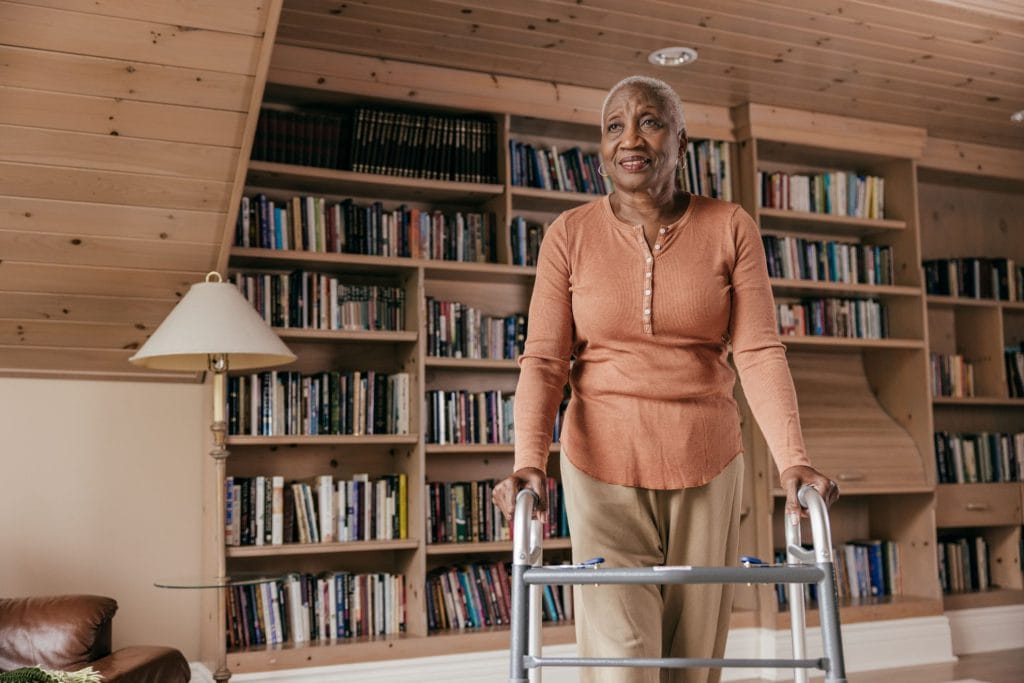
If mobility aids such as canes, walkers, or rollators are needed, make sure they are properly fitted and used consistently throughout the home, not just when going outside. Regularly check that rubber tips and wheels are in good condition and not worn down.
7. Consider professional support
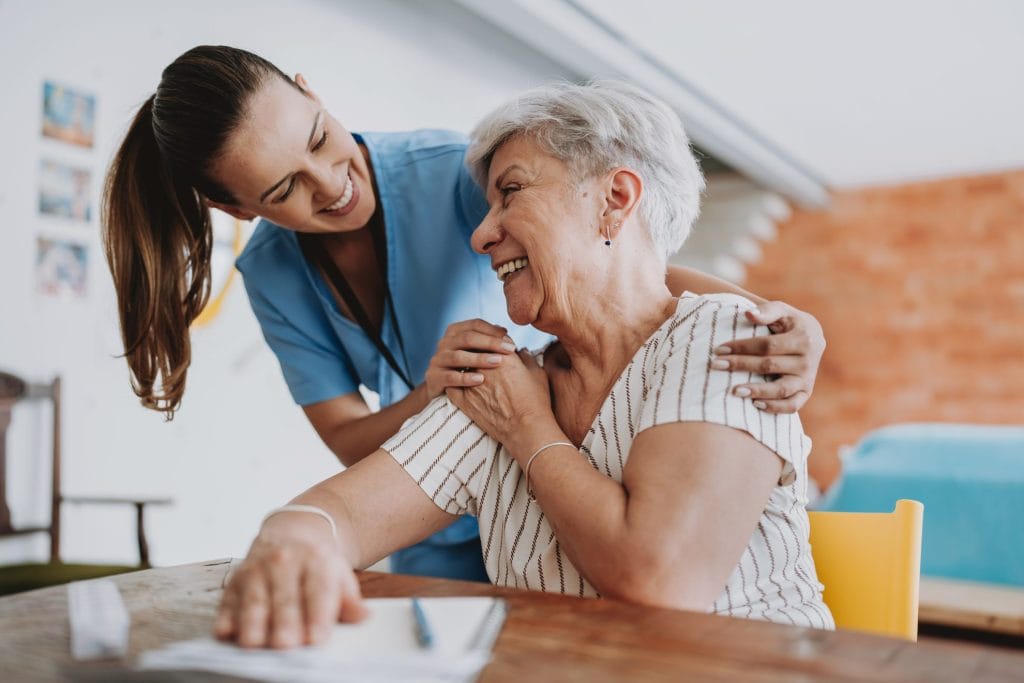
Even with home modifications, having an extra layer of support can make a significant difference. In-home caregivers can assist with mobility, personal care, daily tasks, and safety monitoring, helping seniors stay secure while maintaining independence.
Take the first step toward a safer home
A safer home doesn’t require a complete overhaul. Simple, thoughtful adjustments can help reduce risks and provide peace of mind for both seniors and their families.
Think you might need a little extra support? Contact your local Hopewell office to speak with a care coordinator about next steps.