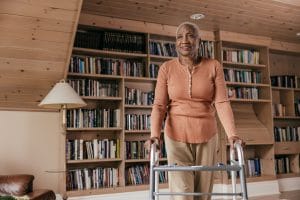
Maintaining Control, Confidence, and Quality of Life
For many older adults, independence is deeply connected to dignity, identity, and quality of life. The thought of needing help at home can sometimes feel overwhelming, leading some seniors to worry that accepting care means giving up control or losing the routines they value most.
In reality, the right kind of in-home support does the opposite. Home health services are designed to help seniors maintain independence, stay safe, and continue living life on their own terms, all while receiving the support they need.
Independence Looks Different for Everyone
Independence does not always mean doing every single task alone. Instead, it often means having the freedom to make choices, stay involved in daily life, and remain comfortable in familiar surroundings.
For one person, independence may mean continuing to live at home instead of moving into a facility. For another, it may mean having enough help with mobility or household tasks to safely continue favorite hobbies, social activities, or daily routines.
Home health care supports these goals by providing assistance only where it is needed, while encouraging seniors to remain active and engaged in the parts of life they can still enjoy independently.
Support Without Losing Control
One of the biggest misconceptions about home health care is that caregivers “take over.” In truth, quality care is collaborative.
Care plans are built around the individual’s needs, preferences, and abilities. Seniors are encouraged to participate in decisions about their schedule, routines, meals, activities, and level of assistance. Caregivers are there to support independence, not replace it.
This approach allows older adults to maintain a sense of autonomy while receiving help in areas that may have become physically difficult or unsafe.
Making Daily Life Easier and Safer
Even small challenges can begin to interfere with daily life as people age. Tasks like bathing, cooking, driving, or moving around the house may become more difficult over time.
Home health services help bridge those gaps safely. Assistance with everyday activities can reduce the risk of falls, prevent injuries, improve nutrition, and help seniors stay healthier overall.
With the right support in place, many older adults are able to continue living comfortably at home much longer than they could on their own.
Personalized Care That Adapts Over Time
Needs can change gradually or suddenly due to illness, surgery, injury, or normal aging. One major benefit of in-home care is flexibility.
Support can often be adjusted over time, whether someone needs only occasional assistance or more comprehensive daily care. This adaptability helps seniors continue living safely at home without sacrificing comfort or independence.
Helping Families Feel Supported Too
Home health benefits family caregivers as well. Loved ones often want to help but may struggle to balance caregiving with work, parenting, or other responsibilities.
Professional support can ease stress, prevent caregiver burnout, and give families peace of mind knowing their loved one is receiving compassionate care while maintaining as much independence as possible.
Independence and Support Can Coexist
Accepting help does not mean giving up independence. In many cases, it is what allows independence to continue.
Home health care provides the balance many seniors need: support where necessary, encouragement where possible, and the ability to remain safe, comfortable, and confident at home.
With compassionate, personalized care, older adults can continue living life in a way that feels familiar, meaningful, and empowering.
learn more about hopewell services